- Home
- News & Blog
- Baby Food Recipes
- Foods for Baby
- Baby Food FAQs
- Puree & Store
- Food Allergy
- Tips & Topics
-
-
-
-
-
-
-
-
-
-
- Introducing Solids
- Baby Feeding Issues
- Infant Reflux
- Lactose Intolerance
- Iron & Baby
- Constipation
- When Baby has Diarrhea
- Table Foods
- When to Introduce Finger Foods
- Vegetarian Baby
- Picky Eaters
- Does Baby Need Water?
- Juicefor Baby
- Adding Salt to Baby Food
- Cereal in Baby's Bottle -
- My Baby is Orange.
- Does Baby Need Variety?
- Oxalates
- Dining Out
- Baby Refuses a Spoon.
- Using a Sippy Cup
- Transition to Milk
- More
- Sugar Substitutes
- Short-Cuts
- Food Out of Season?
- Bring on Curry.
- Read the Package
- Fruits Are Coming..
- Grist on Grains.
- Vitamin & Mineral Supplements
- Leftover Baby Purees
- Baby Safety Checklist
- Vitamins Found in Foods
- Baby Food Books
- Breastfeeding
- Safely Prepare Baby Food
- Methods of Storage
- Canning Baby Food
- Using Organics
- Daycare Homemade Food
- Traveling with Baby Food
- Day Trips with Baby Food
- Healthy Snacks
- Exploit Your Oven!
- Special & Holiday Recipes
- Downloads & eBook
-
![]() |
Pears in Baby Food Recipes - When Can Baby Have Pears? Age for Introducing Pears to Baby: (as early 4 months) or 6-8 months
The Goodness of Pears :
Pears are high in fiber, potassium and Vitamin C. High in fiber, Pears like other fruits, are great aids in reducing the risks of cancer and heart attack and sustaining healthy cholesterol levels. They are also a great fruit to offer as a remedy to help alleviate baby's constipation.
Pears are gentle on the tummy and thus are wonderful for babies who may be suffering from Reflux. Pears contain no sodium, saturated fats or cholesterol. They contain two types of sugars, glucose and fructose. A pear is very nutrient dense meaning that there are more nutrients per calorie than calories per nutrient. There is no need to peel a pear unless feeding one to a small infant. A pear's skin is easily digestible.
Nutritional Content of Pears: (one medium)
VITAMINS:
Vitamin A - 38 IU
Vitamin C - 7 mg
Vitamin B1 (thiamine) - .2 mg
Vitamin B2 (riboflavin) - .25 mg
Niacin - .26 mg
Folate - 12 mcg
Contains some other vitamins in small amounts.
MINERALS:
Potassium - 198 mg
Phosphorus - 82.4 mg
Magnesium - 12 mg
Calcium - 15 mg
Sodium - 0 mg
Iron - .26 mg
Also contains small amounts of selenium, manganese, copper and zinc.
When can I introduce Pears and Pear Baby Food Recipes to my baby?
Pears make a good choice for one of Baby's first fruits from (4)6 months of age. As always, we recommend that you consult with your baby's pediatrician on introducing solid foods as
Pears are on the EWG's "Dirty Dozen" List.
This list contains fruits and veggies that are most likely to accumulate pesticides; most accumulation occurs in the skin.
View the list on our Organic Baby Food Page |
generalities may not apply to your infant.
How to select and store pears for baby food recipes
Pears are a fruit that does not ripen upon "the vine". Pears are harvested from pear trees once they have reached maturity but prior to ripening. Bartlett pears are the only type of pear that actually changes color as it ripens.
To ripen pears, leave them out on your counter or put them in a brown paper bag.
Store pears in the refrigerator in the coldest spot. As pears ripen from the inside outwards, a ripe pear will gently yield to the touch when pushed. A soft pear is likely indicative of over ripeness and may be close to rotting.
The best way to cook pears for baby food recipes -
Do pears have to be cooked for baby food?
Pears do not need to be cooked as when they are ripe, they are very soft and easily made into a smooth puree.
Steaming fruits is typically recommended for babies under 8 months old to help breakdown sugars and fibers in fruits. However, as pears are gentle on the digestive system and very watery to begin with, use your own discretion based on your baby's digestive system.
If you will be offering pears as a baby food to an infant who starts solid foods prior to the age of 6 months old, please give pears a gentle steaming.
Pears should be peeled for babies under 6 months of age to ensure that there are no tummy upsets. |
Pear Baby Food Recipes
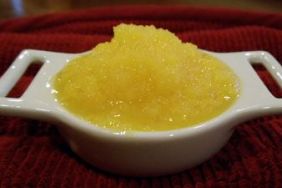
Perfect Pear Mash
1 ripe pear
1. Peel and de-seed a fully ripened pear
2. Mash or puree as needed for your baby's preference
3. Add cereal (if desired) to thicken up.
You may wish to steam pear chunks for a bit to soften them and enable easier digestion for a younger baby who starts solids early.
![]()
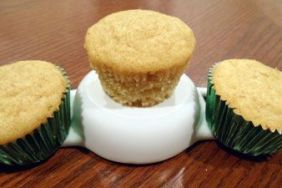
Pear Baby Food Recipes - Breakfast Pear Parfait (8months+)
1/2 cup plain oat cereal (cooked)
1/2 cup pears - mashed or pureed
1/2 cup yogurt
Mix oatmeal and yogurt together
Top mixture with 1/2 cup pear puree and stir
Optional:
dash vanilla
pinch of ginger or cinnamon
You can layer this for those babies who are beginning to use utensils or simply blend it all together
![]()
Pear Baby Food Recipes for Yummy Baked Pears
3 Pears
dash of cinnamon or vanilla or ginger
Halve and core pears.
Place pears in a shallow baking dish with about 1 inch of water.
Add spices if desired.
Bake at 350 degrees F. 25 minutes or until tender.
Mash and serve mixed with Oatmeal Baby Cereal, Yogurt or even Chicken.
Baked Pears with Oatmeal & Dates (8 months+)
1. 3 Pears
2. 1 cup cooked oatmeal
3. 1/2 cup finely chopped dates
drizzle of maple syrup (optional)
dash of cinnamon or vanilla or ginger
Directions
Halve and core pears; Combine oatmeal, dates & spices in 1 cups of water and bring to boil, simmer until soupy. Once soupy, pour over pears. Bake at 350 degrees F. 45 minutes or until tender; drizzle with syrup if desired
Foods Good to Make Your Own Pear Baby Food Recipes:
Apples
Avocado
Bananas
Blueberries
Mango
Peaches
Sweet Potato
Chicken
Yogurt
Headlines from our Baby Food Blog
Welcome to our Feeding Your Baby Pears page.
Welcome to our Pear Baby Food Information and Recipes page.
Pears are wonderful fruit to add to your baby's diet. They are gentle on the tummy and easy to digest
Learn about pears and try some of our pear baby food recipe ideas too.
ORAL ALLERGY SYNDROME
Birch Pollen Allergies
Birch pollen allergies are associated with apple, carrot, cherry, pear, peach, plum, fennel, walnut, potato, spinach, buckwheat, peanut, honey, celery, and kiwifruit.
Cedar Allergies
Japanese cedar allergies are associated with melon, apple, peach and kiwifruit.
Mugwort Allergies
Mugwort allergies are associated with celery, carrot, spices, melon, watermelon, apple, hazelnut, and chestnut.
Grass Pollen
Grass pollen allergies are associated with melon, tomato, watermelon, orange, rice and cherry.
Ragweed Pollen
Ragweed allergies are associated with melon, chamomile, honey, banana, and sunflower seeds.
Latex
Latex allergies may be cross-reactive to banana, avocado, kiwi and papaya.
Solid Foods for Baby
Useful articles and charts to help you with the fun and folly of introducing baby to solid foods.
![]()
Quick Links
Introducing Table Foods
How and When to Introduce Baby Finger Foods
Vegetarian Baby - Is Meat Necessary?
Picky Eaters - Are babies picky eaters?
Does Baby Need to Drink Water? - Is Water Necessary When Baby Starts Solids?

MORE HOMEMADE BABY FOOD RECIPES & RECIPE TOPICS
View these pages for more tips & topics on baby feeding & cooking baby foods.
- Freezing Homemade Baby Foods
- Vitamins & Minerals in Baby's Foods
- Baby Food Myths - Archived
- Baby Food Recipes Downloads
- Freebies for Baby


Buy Organic Pears Whenever Possible.