Stage 1 Baby Food Recipes - Make It Organic, Buy Organic Foods!
These Stage 1 Homemade Baby Food Recipes are age appropriate for those babies who are between 6 and 8 months old. Some of these Stage 1 Homemade Baby Food Recipes may be appropriate for the baby who is 4 months old. Please keep in mind that the current recommendations state that baby's should start solid foods at 6 months of age.
Enjoy Stage 1 Baby Food Recipes Ideas as found below.
Some Commonly Offered Stage 1 Baby Foods:
Stage 1 Fruits:
Apples | Avocados | Apricots | Bananas | Mango Nectarines & Peaches | Papaya | Pears | Plums & Prunes | Pumpkin
Stage 1 Veggies:
Beans (Green) | Carrots | Peas | Sweet Potato | Squash
The current recommendation is to introduce your baby to Stage 1 Solid Foods at 6 months of age however many parents begin introducing Stage 1 solid foods to their babies at 4 months of age. Read more about a baby's readiness for solid foods.
Read about Early Solid Foods Introduction and why recommendations change
What is "Stage 1" baby food?
(4)6-8 Months - Baby Let's Begin to Eat
"Baby" cereal and soft cooked thinly pureed fruits and veggies should be baby's first solid food experiences. Single ingredients only and at a space of 4 days apart with introducing each new food. You may skip the cereal and begin with a fruit like avocado or begin with a veggie like butternut squash or sweet potato.
Stage 1 Baby Food is a term that applies to baby foods that are highly pureed and strained. These foods are appropriate for babies who are just being introduced to solid foods. The foods in this range are targeted to babies who are between the ages of (4) 6 to 8 months old.
Stage 1 baby foods are thin and runny and are foods that are the lowest on the allergy scale. Stage 1 baby foods are typically those foods that are also more easily digested by a tiny tummy. Some of these foods include, sweet potatoes, butternut or winter squash and carrots. The term "Stage 1" was introduced by the Gerber Baby Food Company to let parents know that these foods are appropriate for their infants who are just being introduced to solid foods.
There is a growing trend of parents skipping this stage of thin and runny purees. Many parents are turning to a more baby-led weaning approach and are offering soft cooked small bits of age-appropriate foods as they begin to introduce solid foods.
Feeding Baby Stage 1 Foods
Start out slowly, preparing a tablespoon sized portion of whatever food you have chosen to begin with. Some parents begin offering their babies solid foods by using their (clean and washed) finger as a spoon! They say that this helps their babies take to solid foods because the "new" spoon and the "new" food all at once seem to confuse baby!
You will probably only manage to have baby eat 1/2 of the tablespoon sized portion the very first times you begin solids. Don't fret if your baby does not "finish" a meal.
Stage 1 Homemade Baby Food Recipes
Peeling & Cooking Fruits & Veggies - It is suggested that fruits (and veggies) are cooked and peeled for those babies under 8 months of age. This allows for easier digestion. >>>Learn More
|
Cereals
Rice Cereal
1/4 c. rice powder (brown rice ground in blender or food processor)
1 cup water
1. Bring liquid to boil in saucepan. Add the rice powder while stirring constantly.
3. Simmer for 10 minutes, whisking constantly, mix in formula or breast milk and fruits if desired
3. Serve warm.
Oatmeal Cereal
1/4 c. of ground oats (do NOT use instant or Quick Cook), ground in blender or food processor
3/4 c. water
1. Bring liquid to boil in saucepan. Add the rice powder while stirring constantly.
3. Simmer for 10 minutes, whisking constantly, mix in formula or breast milk and fruits if desired
3. Serve warm.
Barley Cereal
1/4 c. ground barley (barley ground in blender or food processor)
1 cup water
1. Bring liquid to a boil. Add the barley and simmer for 10 minutes, whisking constantly
2. Mix in formula or breast milk or juice and add fruits if desired
3. Serve warm
Did you know that baby's first food does not have to be a commercial infant rice cereal? Many pediatric resources are acknowledging the fact that avocado, banana and sweet potato make great first foods for baby! For More Information About Homemade Baby Cereal, visit Our Homemade Baby Cereal FAQ
Stage 1 Homemade Baby Food Recipes - Fruits
Apricot Puree(using dried un-sulphured apricots)
6-8months+
Vitamins: A, C, Folate
Minerals: Potassium, Phosphorus, Calcium
1. 1 pound dried apricots
2. 2 c. white grape juice or apple juice.
Plain water is ok but the puree may be a bit bitter. Some babies actually like a bitter taste however. Consider using ½ water or ½ juice if you disagree with the juices or if baby cannot have juice. You can always mix in another fruit such as peaches or bananas and leave out the juice entirely!
3. Bring liquid and fruit to a boil and simmer for 15 minutes.
4. Reserve any left over liquid to use for the puree
5. Place into your choice of appliance for pureeing and begin pureeing.
6. Add the reserved liquid as necessary to achieve a smooth, thin puree or
7. Add cereal (if desired) to thicken up
8. Note: puree will not freeze solid, but into slightly soft/slightly frozen cubes.
Have you ever Baked Fruits? If not, we highly recommend it! Baked fruits are naturally sweet, soft and oh so very yummy!
Apples/Applesauce (Use Gala, Braeburn, Rome or Macs)
(4)6 months+
Vitamins: A, C, Folate
Minerals: Potassium, Magnesium, Calcium
This recipe is written so that you may use any amount of apples you wish!
1. Peel, core and cut apple into slices/chunks
2. Place slices or chunks into a pan with just enough water to slightly cover
apples
3. Boil/steam until tender; be sure to check on the water level and stir, T
hat's It! Easy Peasy!
4. Apples may be mashed with a potato masher to achieve a smooth
applesauce consistency. If your masher will not achieve a puree type of
consistency, then follow steps 5 - 7
5. Reserve any left over water to use for thinning out the apples
6. Place into your choice of appliance for pureeing and begin pureeing.
7. Add the reserved water as necessary to achieve a smooth, thin puree
8. Add cereal (if desired) to thicken up the
9. Ask your pediatrician about adding some cinnamon for new tastes!
HINT! You may also buy an "Adult" jar of Natural applesauce from your local grocers! Make sure you buy Natural Applesauce however! Read the labels if you are unsure. The only ingredients should be apples and water or just apples! A few companies may add ascorbic acid (vitamin C) or citric acid to their Natural Applesauce; this is fine!
Why do you suggest peeling fruits and veggies; Nutrients are found in the peels right
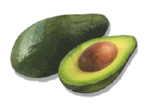
Avocado (yes, avocado is a fruit!)
(4)6 months+
Vitamins: A, C, Niacin, Folate
Minerals: Potassium, Phosphorus, Iron, Magnesium, Calcium
1. Peel and take out the pit of a ripe avocado - do not cook
2. Cut “meat” out and mash with a fork
3. There should be no need to use a machine as just like bananas, avocados
have a very soft consistency and texture. Avocados do not need to be cooked.
How to Select an Avocado -
When selecting an Avocado, you want a dark green color with bumpy texture. The fruit should be firm yet yielding when gently pushed. When an avocado is sliced in half, the flesh color should be a green that gently transforms into a buttery yellow around the pit. Visit our Avocado Topic for More Information
Baked Apples
6-8months+
1. Core apple and leave peel on
2. Place a wee bit of butter (if baby is ready for or has had dairy) on the inside
of the cored apple (sprinkle a bit of cinnamon in the apple if your desire and if
baby is ready for or has had cinnamon)
3. Place in a pan with just enough water to slightly cover apples – about an
inch of water
4. Bake in a 400-degree oven for 30 minutes or until tender; be sure to check
on the water level.
5. Once baked, either cut apple into little bits and serve as a finger food or
mash as directed above in the Apples/Applesauce recipe.
Banana Applesauce Mush
(4)6 months+
1. Peel, core and cut apple into slices/chunks
2. Place slices or chunks into a pan with just enough water to slightly cover
apples
3. Boil until tender; be sure to check on the water level.
4. Apples may be mashed with a potato masher to achieve a smooth
applesauce consistency or you can puree in an appliance as shown above
5. Peel a ripe banana and mash in a bowl with a fork (heating in the microwave for approximately 20 seconds will soften the banana up if needed)
6. Add applesauce to the banana and sprinkle with wheat germ* or crushed
cheerios*
7. Puree if necessary but mashing with a potato masher will typically get this
mix smooth
*8months+
Back to Top
Bananas
(4)6 months+
Vitamins: A, C, Folate
Minerals: Potassium, Phosphorus, Selenium, Magnesium, Calcium
1. Peel ripe bananas - do not cook
2. Place banana in a food processor/food mill or blender and puree
3. You can also mash the banana in a bowl using a regular fork – heat in
microwave for 25 seconds prior to mashing for extra softness
4. Add formula/breast milk or water to thin or add cereal (if desired) to thicken
up.
Mango Madness
6-8months+
Vitamins: A (1262 IU in one cup!), C, E, K, Folate
Minerals: Potassium, Phosphorus, Magnesium, Calcium, Sodium
1 Ripe Mango
Peel, deseed and chunk the mango
Place mango chunks in a blender or food processor
Add Formula, Breast Milk, or Water and blend or mash until the proper consistency for your Infant is achieved.
How to Cut A Mango:
Cut the mango lengthwise, along the side of the mango pit. You will be cutting off its flesh from one side then repeating the same process on the other side. You will then cut the ends off the mango pit.
Cut the remaining flesh from the pit. Use a small sharp knife peel the skin from the flesh. Dice or cube as desired. It is easier to make your cubes/dices prior to removing the skin. Make sure you don't cut through it. Once you have made your cube/dice "pattern" simply turn the skin skin inside out and slice the pieces away!
*Mango does not need to be cooked as it is typically introduced at an age
where baby can tolerate raw fruits. Mango may be steamed to tender and then mashed if you prefer without harming it.
You may use mango as a great Baby Finger Foods! Simply peel, de-seed and then cut into dices or chunks that are manageable for your baby! You may wish to coat
the mango pieces with "cheerio dust", wheat germ or another cereal "dust" to
help baby easily pick up the bits!
Papaya
6-8months+
Vitamins: A, C, Folate
Minerals: Potassium, Calcium
1 ripe papaya
Peel, deseed and chunk the mango
Place papaya chunks in a blender or food processor
Add formula, breast milk, or water and blend or mash until the proper consistency for your Infant is achieved.
Some parents who have infants with sensitive tummies will give fruits a gentle steaming to help break down the sugars and fibers for easier digestion. If you feel this is the case for your infant, chunk the papaya and then steam for 5-10 minutes until very soft.
Pears, Plums, Peaches and Nectarines too
Pear (Great for Constipation!)
(4)6 months+
Vitamins: A, C, Folate
Minerals: Potassium, Phosphorus, Magnesium, Calcium
Peel and cut into chunks so as to avoid the little seed portion. Steam
gently until tender;
Place in a blender/food processor and puree until smooth. You may be able to
just use a fork too!
Use the leftover cooking water if needed but Pears tend to be very runny and
watery without adding liquid. Add some baby cereal to thicken if needed.
Plums
(4)6-8months+
Vitamins: A, C, Folate
Minerals: Potassium, Phosphorus, Magnesium, Calcium
Peel, pit and cut into chunks
Steam until tender in a scant amount of water.
Puree using the leftover cooking liquid. You may need to mix in another fruit as plum purée has a tendency to be rather tart and/or bitter
Peaches
(4)6-8months+
Vitamins: A, C, Folate
Minerals: Potassium, Phosphorus, Magnesium, Calcium
Steam or Bake Peaches - these methods work for nectarines, plums and pears as well. We HIGHLY recommend giving baked peaches a try at least once! You will find
they are more tasty when baked.
Steam Peaches - Method 1
1. Scrub fruit clean and carve an X into 1 side of the fruit
2. Place X side down in a pan with an inch of water
3. Bring water to a boil and steam until soft and tender
4. Peel skin from fruit and remove pits and/or seeds
5. move to step #6 below
Steam Peaches - Method 2
1. Peel fruit
2. Pit the peach
3. Cut the peach into dices
4. Steam until soft and tender then
5.
move to step #6
Bake
1. Halve the fruit and place "open" side down in a pan filled with 1 inch of
water
2. Bake at 400F until soft and tender and/or puckering of the skin appears.
3. Peel skin from fruit and remove pits and/or seeds then
4. move to step #6
Moving to Step 6
6. Reserve any left over water to use for thinning out the fruits
7. Peel off skin then place into your choice of appliance for pureeing and
begin pureeing.
8. Add the reserved water as necessary to achieve a smooth, thin puree
9. Add cereal (if desired) to thicken up.
Back to Top
Prunes
6-8months+
Vitamins: A, C, Folate
Minerals: Potassium, Phosphorus, Magnesium, Calcium
1. Soak dried prunes in warm water until they plump up or steam gently.
2. Once plump and tender, toss into food processor or blender and begin to puree.
3. Add liquid without sparing any. Prunes tend to become a pasty gluey
consistency when pureed and the more water you add, the easier it is to puree
to a texture your baby will tolerate.
Pumpkin- Read more about Pumpkin at our Pumpkin Baby Food page
(4)6-8months+
Vitamins: A (12230 IU in 1 cup!), C, K, Folate, Niacin
Minerals: Potassium, Phosphorus, Magnesium, Calcium, Iron
1. Cut sugar pumpkin (the kind meant to be baked and eaten!) in half, scoop out seeds
2. Place an inch of water in a baking pan, then place the halves "face" down
in the pan. Check on water level while baking
3. Bake in a 400 degree oven for 40 minutes or until the “shell/skin” puckers
and halves feel soft then scoop squash “meat” out of the shell
4. Place pumpkin "meat" into your choice of appliance for pureeing and begin
pureeing.
5. Add water as necessary to achieve a smooth, thin consistency.
6. You can also peel the pumpkin, scoop out the seeds and then cut into chunks
and boil/steam until tender (like when boiling potatoes for mashed potatoes)
then follow steps 4 and 5.
HINT! You may also buy a can of pumpkin from your local grocers! Make sure you buy Pumpkin and NOT Pumpkin Pie mix however. Read the labels if you are unsure. The only ingredients should be pumpkin and water or just pumpkin! You do not need to cook canned pumpkin. You may thin the pumpkin with whatever liquid you prefer and then serve or warm and serve. You may also freeze canned pumpkin in ice cube trays if you wish
Stage 1 Homemade Baby Food Recipes - Vegetables
Beans - Green
(4)6 months+
(this method may be used for Peas as well)*
Vitamins: A, C, K, Niacin, Folate
Minerals: Potassium, Sodium, Phosphorus, Iron, Magnesium, Calcium
1. If using Fresh Beans, snap the ends off the beans and wash the beans. If using Fresh Peas, open the pods and scrape out the peas from the pod. If using frozen of either Peas or Green Beans, cook according to package directions.
2. Place fresh beans into a steamer basket in a pan with a just enough water to slightly show through in the basket.
3. Steam until very tender; be sure to check on the water level.
4. Reserve any left over water to use for thinning out the beans.
5. Place into your choice of appliance for pureeing and begin pureeing. It is best to use the setting that makes the finest liquid purees - green bean and pea skins are rather difficult to completely puree.
***Using a blender rather than a food processor or stick mixer might be better as well. ***
6. Add the reserved water as necessary to achieve a smooth, thin consistency
7. You may wish to push the green beans (or peas) through a sieve or mesh strainer to get rid of any remaining skins. 1. If using Fresh Beans, snap the ends off the beans and wash the beans. If using Fresh Peas, open the pods and scrape out the peas from the pod. If using frozen of either Peas or Green Beans, cook according to package directions.
Carrots*
6-8months+
Vitamins: A (19,152 IU), C, Folate
Minerals: Potassium, Sodium, Phosphorous, Iron, Magnesium, Calcium
1. Peel carrots and cut into small chunks
2. Place chunks into a steamer pan with just enough water visible through the steamer basket
3. Steam until tender
4. Do not reserve any left over water to use for thinning out the carrots if baby is under 8 months old as Nitrates may seep into the cooking water
5. Place into your choice of appliance for pureeing and begin pureeing.
6. Add water as necessary to achieve a smooth, thin consistency
*(See Our article on Nitrates)
Garden Vegetable Combo
6-8months+ after all vegetables have been introduced following the 4 Day Wait Rule
1. Combine fresh or frozen green beans and peas, summer and/or zucchini
squash and small pieces of chopped carrots.
2. Add enough water to just cover the vegetables.
3. Cook until tender, reserving water.
4. Puree vegetables in blender or food processor,
5. Adding reserved water from the vegetables until mixture is of the desired
consistency.
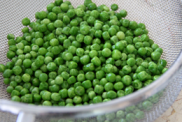
Peas (green)
6-8months+
(this method may be used for Green Beans as well)*
Vitamins: A (4533 IU), C, Niacin, Folate
Minerals: Potassium, Sodium, Selenium, Phosphorous, Iron, Magnesium, Calcium, Zinc
1. If using Fresh Peas, open the pods and scrape out the peas from the pod.
If using frozen type of either Peas or Green Beans, cook according to package directions.
2. Place fresh peas into a steamer basket in a pan with a just enough water to slightly show through in the basket.
3. Steam until very tender; be sure to check on the water level.
4. Reserve any left over water to use for thinning out the peas.
5. Place into your choice of appliance for pureeing and begin pureeing. It is best to use the setting that makes the finest liquid purees - green bean and pea skins are rather difficult to completely puree. Using a blender rather than a food processor or stick mixer might be better as well.
6. Add the reserved water as necessary to achieve a smooth, thin consistency
7. You may wish to push the peas (or green beans) through a sieve or mesh strainer to get rid of any remaining skins
When to add Onions, Celery, Leeks, and other "Exotic" Baby Foods to your Baby's food repertoire?
* Why can’t I get peas and green beans to puree smooth?
If you are using a Food Processor, try the Blender. The Blender seems to work the best for getting Peas into a more fine puree! Peas and green beans are very hard to get pureed into a very fine, smooth consistency. You can put them in a strainer and work out the “skins” if using fresh or you can use frozen for a smoother consistency and minimal effort to work out the “skins”.
You may also use beans/legumes (kidney beans, lentils, split peas etc..) if your doctor says it is ok for baby’s age.
Please keep in mind that you will never be able to achieve the consistency equal to that of the baby food that comes in jars!
Some parents choose to leave green beans and peas for later introduction, when baby enjoys texture and is able to eat them as Baby Finger Foods
Squash (winter)
(4)6 months+
(nutrient info for squash of all types may be found at our "Tips on Squash" page)
1. Cut acorn, hubbard, or butternut squash in half, scoop out seeds
2. Place an inch of water in a baking pan, then place squash halves "face" down
in the pan. Check on water level while baking
3. Bake in a 400 degree oven for 40 minutes or until the “shell/skin” puckers and halves feel soft then scoop squash “meat” out of the shell
4. Place squash "meat" into your choice of appliance for pureeing and begin
pureeing.
5. Add water as necessary to achieve a smooth, thin consistency.
6. You can also peel the squash, scoop out the seeds and then cut into chunks and boil/steam until tender (like when boiling potatoes for mashed potatoes) then follow steps 4 and 5
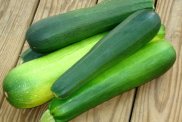
Squash (summer)
6-8months+
(nutrient info for squash of all types may be found at our "Tips on Squash" page)
1. Choose yellow squash or zucchini that are somewhat small in diameter, as these are the most tender.
2. Wash squash thoroughly and cut into small slices or chunks. Do not remove skins.
(*You may remove skins however an infant over the age of 8 months old
should be able to digest squash puree with skins on)
3. Steam until tender then place into your choice of appliance for pureeing and begin pureeing.
4. Add water as necessary to achieve a smooth, thin consistency
Yams/Sweet Potato
(4)6 months+
Learn why a Yam really is NOT a Yam!
Vitamins: A (24,877 mg ), C, Folate
Minerals: Potassium, Sodium, Selenium, Phosphorous, Magnesium, Calcium
1. Wash and poke holes in sweet potato with fork then wrap sweet potatoes in tin foil - do not peel for baking/microwaving. (you can also do this in the microwave - only use plastic wrap and cook for 8 minutes on high or until tender)
2. Place in a 400 degree oven and bake for 30 minutes or until soft
3. OR
4. Peel sweet potatoes and cut into small chunks
5. Place chunks into a pan with just enough water to slightly cover potato
6. "Steam" boil until tender, be sure to check on the water level.
7. Reserve any left over water to use for thinning out the sweet potatoes
8. If you have baked your sweet potato, remove skins and use liquid from your preferred source
9. Place sweet potato into your choice of appliance for pureeing and begin
pureeing.
10. Add the reserved water or other liquid as necessary to achieve a smooth, thin consistency
More Homemade Baby Food Recipes:
First Baby Foods
Recipes | Cereal Baby Food Recipes | Fruit Baby Food Recipes | Veggie
Baby Food Recipes | Meat Baby Food Recipes | Teething
Biscuits | Baby Finger
Food Recipes | Meal Baby Food Recipe Ideas | One Bowl Baby Food Recipes | Baby Food Recipe Combos | 10 Months and Older

advertisement