Homemade Baby Food & Baby Food Recipes
Baby Cereal Information - Making Homemade Baby Cereal - Questions & Answers

Infinite Menus, Copyright 2006, OpenCube Inc. All Rights Reserved.
baby food spacebaby spacebaby food space Fresh Fruits and Veggies Homemade Baby Foods - The Best of Nutrition
 

Baby Gallery
Is YOUR Baby in our Baby Gallery?


Subscribe to our Newsletter
Email:


advertisement


alt
advertisement 


Homemade Baby or Infant Cereals - Your Questions About Homemade Baby Cereal Answered.

Making Healthy and Organic Baby Cereal is very easy. Parents have a lot of questions concerning making Homemade Baby Cereal.  On this page we answer the most frequently asked questions concerning how to best prepare Homemade Baby Cereal. 

If you have a question and do not find the answer here, please email us and we will try to answer your question.  If we cannot answer your question about Homemade Baby Cereal, we will point you in the direction of someone who may!

What about iron fortification in Homemade Cereals 

What is Commercial Baby Cereal Made From? 

Why Is Commercial Baby Cereal NOT cooked?

Do I need to cook the Rice/Oatmeal/Barley Powder Before I serve it? 

Can I Use Previously Frozen Breast Milk or Formula to Thin Cereals, Vegetable or Fruit Puree? 

What type of Rice do I use for Homemade Rice Cereal  

What is the best way to make homemade cereals? 

Could my baby be allergic to Rice? 

When can I introduce rice? 

Why can't I just skip the cereals altogether? 

How do I store whole grains/powder for baby cereal? 

Can I use “quick cook” grains? 

May Homemade Baby Cereals be frozen like Fruit/Veggie Purees? 

Is granola safe? 

What about wheat?

alt


What about iron fortification in Homemade Cereals

You will not be able to “fortify” homemade baby cereals the way commercial cereals are fortified.

There are many things you may add to the cereals that will give an “iron boost” such as formula, breast milk, wheat germ, and brewer's yeast. Once you have introduced fruits and veggies along with the cereals, you will get Vitamin C which helps to aid in the absorption of iron.

Many infants have been raised on homemade cereals/baby foods and they have never suffered iron deficient anemia nor have they needed additional vitamin/mineral supplements. This is something that you should discuss with your baby's pediatrician as there may be a medical need for iron fortified cereals and/or iron supplements. See our Iron Information page for resources and more information.

What is the best way to make homemade cereals?

The easiest way to make your own cereals is to grind up the grains on your own. You may take Rice, Oatmeal, Barley etc and use a blender or food processor (or even a coffee grinder*) to grind the grains into a powder.

This powder then becomes your baby cereal. Cook this powder for 15 minutes until a thin soupy consistency is achieved

Visit our Cereal Recipes for healthy baby cereal options!


You CAN skip cereals altogether if you want to! Many sources now recommend beginning a baby with fruits or an orange veggie like sweet potato as first food(s).   Studies are now revealing that grains may not be good starter foods for baby to digest.  Starting with a fruit like avocado or banana or a veggie like sweet potato is a great alternative to cereal(s)!

There is no medical need to start baby out with cereals; unless your pediatrician has indicated your baby may need extra iron due to less than overall good health or due to being pre-term.

In this instance, you should use a fortified commercial infant cereal and consult with your pediatrician on the best foods to offer as "first" foods.

Back to Top
 

What is commercial cereal made from?

Commercial single grain cereals are made from grains such as rice, barley and oat.  These are refined grains.  The process of refining takes out the Bran and the Germ (the most nutritious parts), leaving the Endosperm. Removing the germ and the bran allow grain products to stay on the grocer’s shelf longer!  That’s not really a comforting thought when you realise that the box of baby cereal you may purchase might have been on the shelf before your baby was even born!  While the refining process does strip away many nutrients, these nutrients are added back in after the milling of the grain.  Many commercial cereal products offered to baby are fortified with iron and typically contain further additives. 

Commercial baby cereals are also precooked and dehydrated.  This is best exemplified when you mix up some commercial cereal and find a pasty substance in the bowl.   Many commercial baby cereals are whole grain and are made with whole grain flour.  However there is nothing more pure and whole as buying whole grains and making them into baby cereal - 100% pure whole grain!

Do I Need to Cook the Powder Before I Serve it?

You need to cook the rice-oatmeal-barley powder prior to serving because when you make your own cereal(s) you are taking a whole grain and grinding it into a powder.  This powder should be cooked because the grains were not cooked prior to your processing them into a powder.  This powder would not be easily digested if left in it's "raw" state. 


Why Doesn't Commercial Baby Cereal Need to be Cooked?

The reason that you don't "cook" commercial baby cereal is that commercial baby cereal is precooked and then dehydrated.  Commercial baby cereal is most often made from grain that has been processed and then milled into a flour.  You notice this difference when you dump out some "flakes" of commercial cereal(s) and also when you mix up some commercial cereal and find a thin pasty substance in the bowl.  

Back to Top

When can I introduce rice?

Rice, especially in cereal form, is typically introduced anywhere between 4 to 6 months old.

Rice (and Oatmeal) cereals are the least of the allergenic grains and this is why most babies are started out with those cereals.

Choose Brown Rice or enriched long grain white rice. Rice may be ground up into a fine powder and cooked as you would cook Oatmeal.

Can I Use Previously Frozen Breast Milk or Formula to Make and Thin Cereals, Vegetable or Fruit Purees?

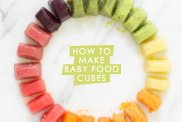
You should not use Previously Frozen Breast Milk to thin purées that you will then be freezing into baby food cubes.

Breast Milk should never be re-frozen in any way or form! Using formula to thin and then freeze Purées is acceptable.

Formula companies warn that you do not freeze Infant Formula due to a separation of the formula and not due to any health or nutritional risks. Keep in mind that the amount of formula used in purées is not equal to feeding an infant a bottle of formula.

 "Freezing of any Enfamil formula is NOT recommended. Freezing infant formula can lead to physical property changes like fat separation, which may prove difficult for sensitive infants to digest. Freezing will not extend the expiration date of the formula." "Freezing of our products may cause loss of desirable appearance and functionality (though not nutrition), and is not recommended." Clinical Frequently Asked Questions, Storing Enfamil

You may wish to mash or puree your baby foods and freeze without thinning with any liquid. Should you decide to do this, you simply thaw the "un-thinned" food cubes and then thin the food cubes to the desired texture that your infant requires.

Back to Top

Can I use “quick cook” grains?

Instant and Quick cooking cereals are oftentimes processed, precooked and (as with Instant) then dehydrated. This processing has in the past included the addition of enzymes. Additionally, Instant Oatmeals may contain other flavourings as well as salt. Many
manufacturers maintain higher standards, use only whole grains and do not steam or further cut and process their Quick Cook oat products. Indeed, many manufacturers do not even produce Instant grains due to the nutritional inferiority

Quick cook oats tend to be less nutritious as they tend to be
rolled, cut and then steamed. Some producers will additionally further
"cut" or flake the oats. Unless one researches the producer of the grain, one cannot be certain that the Quick Cook oats they are eating have simply been rolled and finely cut. We like to purchase our Grain products from Bob's Red Mill or Hodgson Mills here in the U.S. Their websites are very informative and contain a plethora of information concerning all types of grains!


May Homemade Baby Cereals be frozen like Fruit/Veggie Purees?

Yes, you may freeze homemade cereal. You would use the ice cube tray method (or whatever method of freezing you currently use) as you would for other baby food purees. It tends to be easier to grind and then store the uncooked grains and simply cook a day's worth as you go. It often happens that when you thaw the cereal, it becomes rubbery and does not reconstitute well. We do hear from parents who have great luck in freezing cereal. You may want to try freezing a few portions and see how it works for you!

Is granola safe?

A vast majority of granolas contain nuts and honey. Nuts and honey are not allowed until after 2 years old and 1 year old respectively.

If you are going to give granola, read the labels very carefully. Granola, like any other “cereal” may be ground up in a blender/food processor and served to baby mixed with liquids.

Granola is very good when ground into a fine powder and used as a coating for "slimy" Baby Finger Foodss such as banana pieces and tofu!

Back to Top

What about wheat?

Around 8 months old, your baby has probably had barley and oatmeal. Both barley and oatmeal contain gluten; gluten is the allergen in wheat. There are many "forms" of wheat and wheat based products.

Doctors generally recommend that baby not have wheat until at least 9 months to 1yr old. Wheat products may be introduced earlier with your pediatrician’s ok and will depend on your family history of food allergies.

Many pediatricians do say that starting baby on some wheat products around 8 months old is acceptable. Make sure to check with your pediatrician before introducing wheat in any form (i.e.. toast, pasta, cereals, wheat germ)

A good form of wheat to start with is Wheat germ. Read some facts about Wheat germ here. It is very healthy and contains many vitamins and minerals. You may sprinkle it on just about everything you give to baby!! Read More in our Conflict of Wheat Article


Back to Top
 

What type of Rice do I use for Homemade Rice Cereals?

The type of brown rice that you would want to use for cereals would ideally be a short-grain brown rice.

Short-grain rice cooks up more soft than does long or medium grain rice.  The only caveat is that it may become sticky and "pasty" when pureed so keep an watch over the rice when cooking and pureeing/blending it. 

You may use a blend of any type of rice that you like; ensure that it is whole grain however.  Brown jasmine rice and plain brown rice make a nice blend for cereals as do basmati and plain brown rice. 

If you find that your baby does not like this blend, then consider switching to the plain brown rice type until the palate has become used to solid foods!

Could my baby be allergic to Rice/Rice cereal? It seems like she had a reaction to it!

Rice in particular is not a known "high" allergen in the US and most Western Countries and this is why it is typically recommended as an infant's first food (in the US that is). If there is a rice allergy, studies show that the allergy is most often to the pollen of the rice and a reaction is triggered by the inhalation of the pollen - rice is a grass and may produce hayfever like symptoms. Rice pollen has been know to cause allergies in those that live around rice fields. Typically, if one is allergic to rice, then there will be sensitivities shown to other grains such as oats, barley, wheat and rye to name a few! Rice may cause diarrhea in those that are sensitive to it however it is rare. 

You will find that the early commercial Rice products offered to baby are fortified with iron and typically contain further additives. Commercial baby cereals that contain rice are typically of the "mixed" ingredient nature and may contain items such as soy and starch. Infant jar foods that contain rice may contain items such as soy, modified corn starch, tapioca etc.. It may be that in the beginning, your baby had a sensitivity to something contained within the cereal or the jar that was not directly related to the rice.  
 
One thing to go through is a list of things that may have changed within your household around 1-2 weeks prior to the suspected reaction. Is your baby showing signs of illness such as a cold or congestion, have you added any other items to baby's diet, have you changed brands of a particular food in baby's diet and so on.

If you feel comfortable, wait until the reaction has passed and then try to introduce the rice again, ensuring that no other changes occur in baby's diet. You will be better able to ascertain a true rice "reaction" this way. As always, we recommend that you contact your pediatrician and discuss this him/her especially if the reaction time becomes lengthy!
 

Back to Top

 How Do I store whole grains/powder for baby cereal?

Whole grains may be stored for several months in a cool dry place. If the temperature becomes extremely warm in your home, you may wish to store the grains in the refrigerator. Milled whole grains, such as rice flour, whole wheat flour, oat flour and the like, should be stored in an air tight container and preferably in your refrigerator. You can store them in a cool dry place however ensure that you check on the status of the grains if you use them infrequently!

Since these are whole grain flours, the natural oils that come from the grain may become rancid without refrigeration. When purchasing any type of milled whole grain, it's always best to buy smaller quantities to ensure that your whole grains are used prior to them going rancid. The same "rules" apply for to rice powder or oat powder, barley powder etc. that you have ground (milled) for your homemade baby cereal. You should store it in an air tight container, in a cool dry place but preferably in the refrigerator if your home is warm.

Wholesome Homemade Baby Food News & Updates


AddThis Social Bookmark Button


hint Did you know that baby's first food does not have to be a commercial infant rice cereal?

Many pediatric resources are acknowledging the fact that avocado, banana and sweet potato make great first foods for baby! We prefer fruits and veggies first!

Organic Angel Baby Lotion
advertisement


blog
Visit our blog!

Enter our Baby Food Contest!  


Google
 
page updated 20 April 2008
 
About Us | Links | Privacy Policy | Home | Contact Us | Back to Top

©Copyright 2003-2008 wholesomebabyfood.com. All Rights Reserved. Information in this website is not meant to be taken as medical advice and thus the information presented should not replace the medical advice of your doctor or pediatrician! Contents of this website may be reproduced only for personal use. Contents may not be reproduced for other use without the express written consent of wholesomebabyfood.com. Privacy Policy & Notices