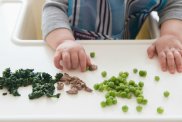
Spice Up Your Baby's World - Adding Spices and Herbs to Baby's Homemade Baby Foods
Yet another wonderful advantage of making homemade baby food is the ability to create yummy baby food dishes using spices and herbs. Take advantage of the versatility of homemade baby food and use everyday spices and herbs to liven up baby's foods. This is a wonderful way to help expand your baby's taste buds and get her used to the tastes of the family's foods.
When making your own baby food, you are able to experiment with different tastes and textures for your baby and further, you have the chance to use a wider variety of ingredients than what is found in commercial jars of baby food. Most conventional brands of commercial baby foods do not incorporate herbs and spices into their jars.
In many countries, babies are not fed bland rice cereals as their first foods rather, they introduced to spices from the start. In India for example, they think nothing of adding a bit of curry spices to baby's foods at a very early age. Thai families often incorporate coconut milk, lemongrass, tamarind and even chili when feeding their babies solid foods.
When Can I Add Spices to Baby's Food?
A majority of pediatricians will recommend waiting until an infant is 8 months or older to introduce spices and herbs. This recommendation often has more to do with staving off digestive upsets than it does with possible allergic reactions. Like any other new food, please follow the "4 day wait rule" when introducing spices and herbs. As always, please discuss the introduction and use of herbs and spices with your baby's pediatrician.
Don't forget, if you are a breastfeeding Mom, your little one is already tasting herbs and spices. Herb and spice flavors are transferred through breast milk, helping create and develop a taste for non-bland foods.
What Types of Spices and Herbs Can I Add to Baby's Food?
Fresh or dried, the types of herbs and spices you may add to baby's foods is up to you.
Using spices and herbs in your baby's foods is a great way to offer interesting flavors without the use of sugar or salt. While it is never recommended to add sugar or salt to baby's food, we do advocate adding some things to "spice up" or flavor your baby's food.
Often when we think of additions to food for kids, sugar and/or salt immediately come to mind. Parents may seldom think about adding herbs and spices such as:
A note concerning vanilla and other liquid flavor extracts
Pure vanilla and other liquid flavors/extracts, depending on the market/country where you may live, often contain a high amount of alcohol. The alcohol is used to extract and preserve the flavor of the spice.
When using vanilla as a flavoring for your baby food, ensure that you are using either the vanilla bean or an essence of vanilla that is not labeled as "pure".
You may use pure vanilla for adding to foods that are cooking or baking as the alcohol will cook off.Never add any sort of flavoring to your baby's bottle of formula or bottle of breast milk. |
- vanilla *
- pepper
- garlic powder
- basil
- rosemary
- dill
- oregano
- lemon zest
- ginger
- cinnamon
- mint
- nutmeg
- anise
- curry powder (yes, it's true, you may offer your older infant a wee dash of curry powder in her foods. You do need to watch for any reactions as some components of curry or even chili powder may give baby a rash)
These aforementioned spices can be lovely additions to your baby's foods. Introducing baby to spices that the family typically cooks with does not have to be left until baby has reached toddlerhood. Early introduction of spices may one day find you thinking, "Wow, we have never used salt or sugar in any or our kid(s)' foods.". Imagine raising a child that is not reliant on artificial sweeteners to entice the appetite.
Try these spicy mixtures and put some baby zing into those everyday foods for baby:
Fruits:
Apple(Sauce): use cinnamon, nutmeg, allspice, vanilla
Pears: use ginger, cinnamon, a drip of vanilla
Bananas: use cinnamon, ginger, allspice
Dairy:
Plain Yogurt : use with mint, cinnamon, allspice, cardamom
Vegetables:
Sweet potato: use with nutmeg, cinnamon and/or cardamom
Pumpkin: use with cinnamon, nutmeg, ginger and dash of vanilla
Carrots: use with basil & garlic - baked cinnamon carrots are yummy too.
Green beans: use with garlic powder
Mashed potatoes(white) : use with dill weed or garlic
Winter Squash (acorn, hubbard, butternut etc.): use with cinnamon, nutmeg, allspice, ginger
Cereals/Grains:
Pasta: use oregano, garlic, basil
Oatmeal or other cereals: use fruits, cinnamon & nutmeg, dash of vanilla
Rice (sweet) with cinnamon, nutmeg, dash of vanilla, cardamom, ginger
Quinoa (sweet): use cinnamon, nutmeg, dash of vanilla, cardamom, ginger for sweet
Quinoa (savory): use garlic powder, pepper, onion powder, basil, oregano and others
Meats:
Chicken/Turkey with cinnamon and/or coriander
Chicken/Turkey with garlic powder and basil
Chicken/Turkey with lemon zest and pepper
Chicken/Turkey with basil & oregano
Chicken/Turkey with garlic and pepper
Chicken/Turkey with sage, rosemary and thyme
Beef with garlic and pepper
Beef with onion powder and pepper
Beef with Orange Zest
Spices may offer additional benefits other than changing a boring food into a new experience. Did you know that herbalists tout the following spices for their benefits.
Ginger - good for tummy upsets
Cinnamon - good for tummy upsets, diarrhea, possible anti-fungal and anti-bacterial
Garlic - anti-biotic, blood pressure
Coriander - aids gassiness, stimulates appetite, helps rheumatisms and joint pain
Dill - hiccups, colic, digestive troubles
Mint - stimulates healthy digestion, helps respiratory issues
Break out the spices and introduce your baby to the wonderful world of healthy flavor.
Headlines from our Baby Food Blog
Spice Mixes & recipe
*Not all of these recipes will be appropriate for some infants due to an infants age. You may substitute or leave out ingredients as you need.
Anise Potato Bread (YUM.)
Ingredients:
2 pounds potatoes
1/2 cup hot milk
1/2 ounce dried yeast
3 pounds flour (about 6 cups)
1 tsp. salt
2 tablespoons aniseed
Cook the potatoes, peel and mash with the hot milk over low heat until it resembles a batter. Dissolve the yeast in 1/3 cup of water, let stand until foamy. When the batter has cooled to room temperature mix in the yeast, flour, salt and 1 tablespoon aniseed. Knead well and allow to rise in a warm place for about 4 hours. Put into greased loaf pans, sprinkle with remaining aniseed on the top of dough. Bake in a 375 degree oven for 50 minutes or until done.
Poultry Seasoning Blend
Use this seasoning blend to flavor chicken, turkey, duck, or Cornish game hens. It also makes a great addition to any kind of stuffing that you serve along with your poultry dishes. If you don't have access to fresh herbs you may substitute 1 teaspoon of the dried herb for 1 tablespoon of fresh.
1 teaspoon celery seeds
1 tablespoon fresh marjoram - minced
1 tablespoon fresh sage - minced
1 tablespoon fresh thyme leaves
Sweet Spice Blend
This recipe makes approximately 3 tablespoons of sweet spice blend. This blend is perfect to use throughout the holidays in all your apple and pumpkin pie recipes. This blend also tastes terrific sprinkled on top of eggnog.
2 teaspoons ground cinnamon
1 teaspoon ground cloves
1 teaspoon ground ginger
1 teaspoon ground nutmeg
1 teaspoon ground allspice
Seeds of Knowledge - "Sweet Spices"
Cinnamon - 15 November 2007
Nichole wrote to us to let us know of a reaction that her daughter had to cinnamon:"My daughter is 10 months old and i am slowly introducing foods to her as allergies are common in my husbands family. Today was the day I decided to introduce cinnamon to her because of the upcoming holiday season. She has severe burn where ever the spice touched her face. I even did my own touch test which resulted in the same redness. I hopped on the internet and did some research (of course after calling her ped.)it turns out that even though it is rare if you are allergic to cinnamon it is usually a bad one. I should have checked with her ped. first (bad mommy) but I just thought you guys would like to know."
Most often, a skin (dermatological) reaction to cinnamon is from the cinnamon oil and cinnamic aldehyde. As you may have read, many people with a cinnamon sensitivity cannot even chew gum or brush their teeth with any product that contains even a hint of cinnamon oil. A reaction to the actual powder seems to be less severe and less common. Cinnamon allergy is so very rare and cinnamon is not amongst the "usual suspects" when it comes to a sensitivity or an allergy.
In looking at cinnamon allergies, there are two components of cinnamon that doctors know to cause an issue: Cinnamon oil and cinnamic aldehyde. Cinnamic aldehyde is the most common of the allergenic constituents and is used in many forms in many products. It's extensive use makes it difficult to diagnose what caused a reactions. People who have a cinnamon allergy may be exposed to it from many sources. Many doctors note that people react to cassia, a relative of cinnamon, and not to cinnamon itself. This is mostly true for those who seem to experience a reaction from a food that does not contain cinnamon oil. Cassia is so closely related to cinnamon that it is used as a spice and called "culinary cinnamon". Cassia has a more intense flavor and is also more of an astringent than is "true" cinnamon. "True" cinnamon is the highest grade of cinnamon and is more mild, sweet and it's bark is softer. It is from the cinnamomum zeylanicum tree which is found in Sri Lanka.
The odds are 99 to 1 that the cinnamon you purchase in the grocery store is not true cinnamon but is actually cassia. True cinnamon is a very rare find in a grocer's spice aisle. If your baby shows skin sensitivities to certain foods and there is a history of many food allergies on either side of the family, you may wish to wait to introduce cinnamon until 10-12 months of age.
You may do a "test" for a sensitivity by gently placing a small amount of the ground cinnamon powder on your baby's arm or cheek. Dip a cotton swab in a bit of cinnamon and tap some of the spice off. A reaction will occur in the form of redness and/or swelling.
advertisement

You've probably heard it over and over again, "Do not add sugar or salt to baby food". What about adding herbs and spices to tempt your baby's palate?
Many parents neglect spices and the wide variety of tastes that may be introduced simply by adding a spice.
Solid Foods for Baby
Useful articles and charts to help you with the fun and folly of introducing baby to solid foods.
Please be sure to visit our Baby Food Articles Library for more great information about solid foods.
Visit our Baby Food Blog & Check out our Mini Contests.

MORE HOMEMADE BABY FOOD RECIPES & RECIPE TOPICS
View these pages for more tips & topics on baby feeding & cooking baby foods.
- Freezing Homemade Baby Foods
- Vitamins & Minerals in Baby's Foods
- Baby Food Myths - Archived
- Baby Food Recipes Downloads
- Freebies for Baby

advertisement
Highlights High Five™
a new magazine for preschoolers.
Resources & Learning More:
Phytochemical Database - USDA
Natural Health @ Suite 101
Herb Info. at WholeFoods