Using Substitutes for Wheat and Substitutes for Eggs in Baby's Food Recipes.

advertisement 


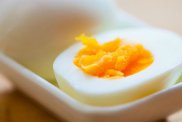
Wheat and Egg substitutes may be an important part of an infants diet due to allergies or baby's age.  There are babies may not be able to eat eggs or wheat in baked goods due to either their age or an allergy. 


We have compiled egg and wheat substitutions for those infants who might have an egg allergy or a wheat (not a gluten intolerance) allergy.


To learn more about Baby Food Allergies, read our Allergy Information Page


What are good substitutes for eggs in baby's foods? Pioneer Thinking


  • Ener-G Egg Replacer - follow directions on box.
  • 2 tbsp corn starch = 1 egg
  • 2 tbsp arrowroot flour = 1 egg
  • 2 tbsp potato starch = 1 egg
  • 1 heaping tbsp soy powder + 2 tbsp water = 1 egg
  • 1 tbsp soy milk powder + 1 tbsp cornstarch + 2 tbsp water = 1 egg
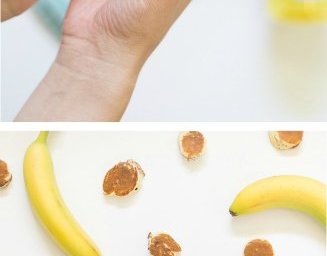
  • 1 banana = 1 egg in cakes (using a banana may alter the taste of the baked good.)


ONE (1) egg equals any one of the following, simply mix together:: from Bread Beckers


  • 2 Tbs. flour
    ½ tsp. oil
    ½ tsp. baking powder
    2 Tbs. liquid


  • 2 Tbs. water
    1 Tbs. oil
    ½ tsp. baking powder


  • 1 Tbs. flaxseed* (ground in coffee mill)
    3 Tbs. warm water


  • 1 Tbs. gelatin or fruit pectin
    3 Tbs. warm water


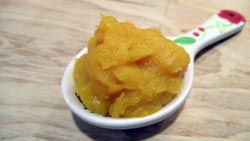
Yogurt, mashed banana, applesauce, pumpkin, or other pureed fruit or vegetables are good replacements for eggs in muffins or cakes.


To replace eggs in casseroles, burgers, or loaves try mashed vegetables, tahini, (sesame seed butter) nut butters or rolled oats.


I See Me! Personalized Children's Books Click here for high quality personalized children's books  

What can be used as a substitute for wheat flours for baby's foods?


Please note that the following flours are wheat based:

cake flour

durum flour

plain flour

self-raising flour

all-purpose flour

wholemeal flour

"gravy" flour (like Wondra in the U.S.)

graham flour


Using non-wheat flours


If anyone in your family has a wheat allergy or a gluten intolerance, then you may already be cooking with non- wheat flours. Cooking with non-wheat flours is very tricky due to the lack of gluten in substitute flours. Gluten is what helps baked goods rise and gives them the lighter texture. Rice flour for example may yeild a more dry and crumbly baked good. You may need to add more liquid or egg yolks to make a more firm and "doughy" dough. Adding baking soda will also help. Note that baking soda may contain gluten so be sure to purchase a gluten-free baking soda. Mixing together different types of non-wheat flours will also give you a better texture and rise. Try using soy and rice or soy and potato flour to create 1 flour.


Wheat Flour Substitutes


The vast majority of baked good recipes call for all-purpose or wheat flour or wheat pastry flour.  You may use an alternative flour.  Whole wheat flour, specifically the gluten, makes baked goods more dense and helps some baked goods like breads rise. When you use an alternative flour, you will find the texture of baked good different if you are used to baking with all-purpose white flour or whole wheat flour.


  • barley flour This has a mild flavor and works especially well in pancakes, cookies, and quick breads.  Replace up to half of any wheat flour in a recipe with this.  May contain some gluten.
     
  • buckwheat flour ( Buckwheat is NOT wheat ) YUMMY in pancakes.  It tends to make baked goods heavier and stronger tasting.  Replace up to half of the wheat flour in any recipe with this. 
     
  • oat flour  Great for quick breads and cookies.  It makes baked goods moister, chewier, and more crumbly.  May contain some gluten due to cross-contamination.
     
  • brown rice flour Brown rice flour is specially good for those with wheat allergies; replace up to 1/4 of any wheat flour with this.  Baked goods made with rice flour tend to be crumbly, so consider substituting a mixture of one part arrowroot or other thickener plus four parts rice flour.  Adding more eggs is another way to reduce crumbliness.  Since rice flour absorbs more moisture, you may need to add more liquid to recipe.
     
  • soy flour This is high in protein, but has a very strong flavor.  Replace up to 1/4 of any wheat flour with this, then increase the liquid in the recipe and reduce the oven temperature by 25 degrees. http://www.foodsubs.com/Flour.html#all-purpose


To help you bake gluten-free, the Land O’Lakes Test Kitchens developed a Gluten-Free Flour Blend. It’s easy to make and store, and has been used in many of these recipes with consistent and delicious results. It’s made with alternative flours that are easy to find in your supermarket:


Rice Flour - this alternative flour has neutral flavor and provides a light, somewhat sandy texture that is reduced when mixed with other substitute flours in baking.


Potato Starch - this is a fine, light powder that lightens baked goods and is also mixed with other alternative flours to achieve a satisfactory texture. Potato starch tends to clump, so always mix well for best results.


Tapioca Flour - this ingredient is also known as tapioca starch or manioc. This ingredient gives baked goods their desirable chewy texture and lightens them up. It also helps to give a lightly browned appearance to a crispy crust.

When you want to bake without gluten, use this mix for a variety of baking recipes such as cookies, cakes and quick breads.


Preparation time: 5 min Yield: 3 cups

2 cups rice flour
2/3 cup potato starch
1/3 cup tapioca flour
1 teaspoon xanthan gum

Combine all ingredients in large bowl; stir.

Use mixture in baking recipes. Store mixture in container with tight-fitting lid.


more information about diarrhea Learn More about Food Allergies


:

Food Allergy

MEDLINEplus : Food allergy

Soy Allergies

Food Allergies in babies

Dr. Sears - Tracking down food allergies

Cow's Milk Allergy; Food Allergy at the Children's Center

Food Allergies in Children


Headlines from our Baby Food Blog


Wholesome Homemade Baby Food News & Updates

↑ Grab this Headline Animator


Infant Reflux and Introducing Baby to Solid FoodsAddThis Social Bookmark Button


Substituting Eggs and Wheat in Baby Food Recipes

ImageSolid Foods for Baby

Useful articles and charts to help you with the fun and folly of introducing baby to solid foods.


Please be sure to visit our Baby Food Articles Library for more great information about solid foods.

Visit our Baby Food Blog & Check out our Mini Contests.

 
advertisement

wholesomebabyfood recipes links of interestMORE HOMEMADE BABY FOOD RECIPES & RECIPE TOPICS

View these pages for more tips & topics on baby feeding & cooking baby foods.


© Copyright 2003-2010wholesomebabyfood.com. All Rights Reserved. Information on wholesomebabyfood.com is presented for educational purposes only. While the information published on this site is believed to be accurate, it is not intended to substitute for professional medical advice. Statements and opinions expressed should not be considered facts to replace those from your qualified health care provider. Contents of this website may be reproduced only for personal use and may not appear on other websites or in other electronic formats. Contents may not be reproduced for other use without the express written consent of wholesomebabyfood.com. Privacy Policy & Notices
wholesomebabyfood.com SheKnows.com